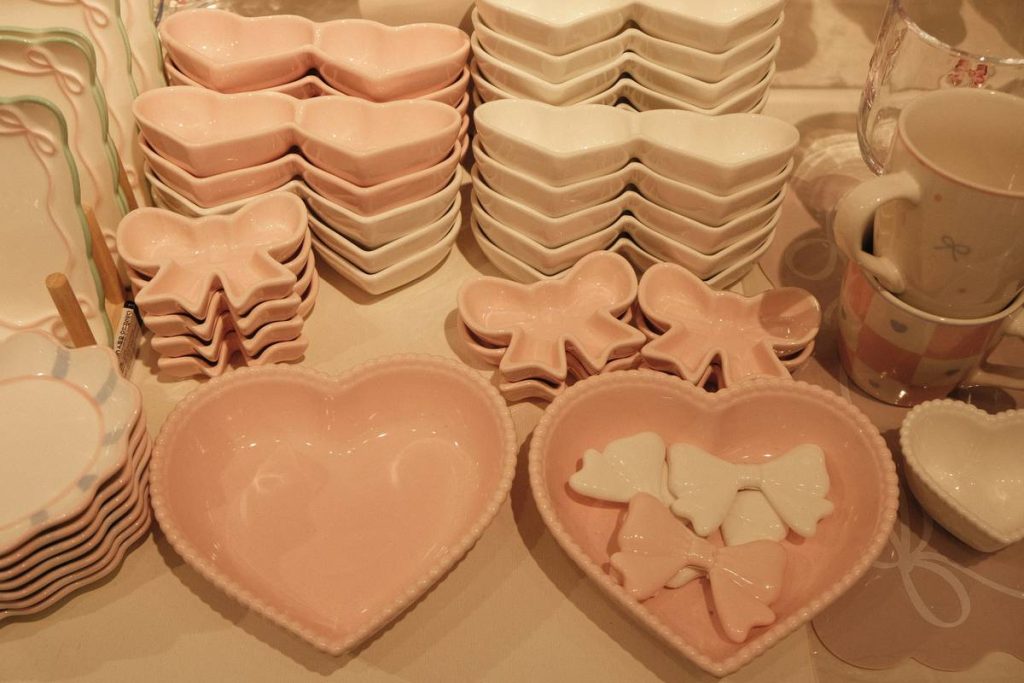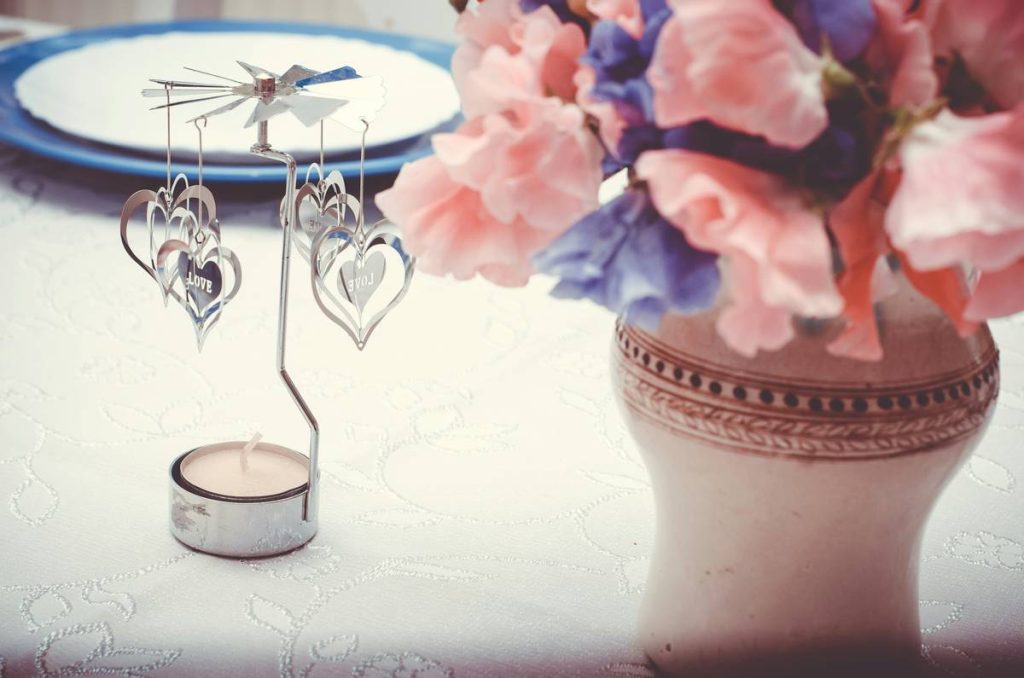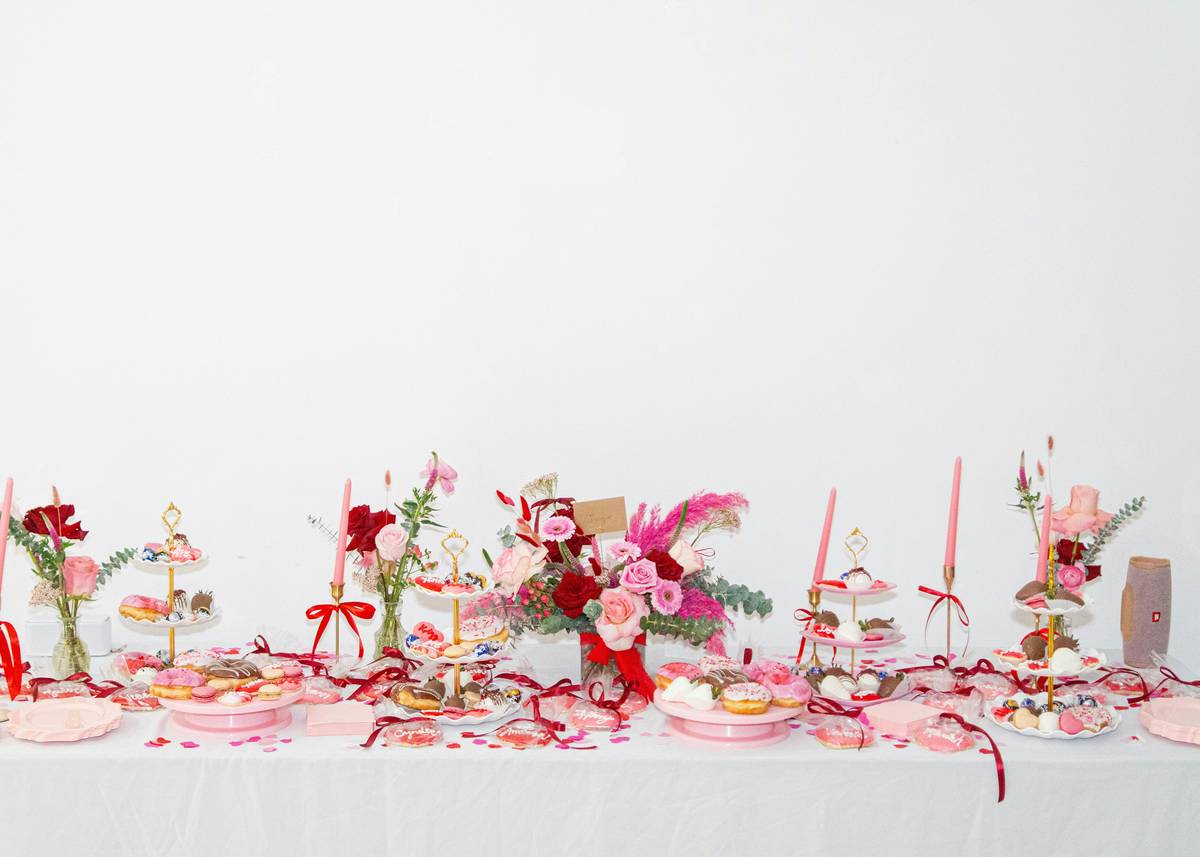
Ever opened your “romantic” Valentine’s Day kit only to find plates so flimsy they warped under a single slice of chocolate cake? I have — twice. The first time, I’d ordered valentine party plates from a big-box site promising “premium elegance.” What arrived were translucent, floppy paper plates that curled at the edges before guests even sat down. The second time? A bulk pack with ink that smudged onto napkins like fingerprint evidence. That’s when I stopped treating valentine party plates as disposable afterthoughts — and started treating them as silent hosts.
This guide cuts through the glitter-coated noise. You’re in the Home Improvement space — specifically Home Decor & Accessories — where choices impact atmosphere, safety, and guest experience. Whether you’re hosting a cozy dinner for two or a vibrant kids’ classroom bash under the Celebration Supplies category, the right plates do more than hold food. They anchor color schemes, reinforce themes, and quietly signal care. We’ll walk through selection logic, real-world pitfalls, and how to make every plate count — backed by industry data and hard-won kitchen-table wisdom.
Table of Contents
- Why Valentine Party Plates Matter More Than You Think
- How to Choose & Use Valentine Party Plates (Step-by-Step)
- 5 Smart Practices You Won’t See on Pinterest
- Real Results: From Crumpled to Confident
- FAQs About Valentine Party Plates
Why Valentine Party Plates Matter More Than You Think
In Home Improvement and decor, we rarely talk about plates. But consider this: a 2023 National Retail Federation survey found that 68% of consumers say “cohesive table styling” significantly increases their perceived effort and warmth of a celebration — more than lighting or centerpieces alone. And plates? They’re the largest continuous surface at any gathering. When mismatched, poorly weighted, or visually jarring, they create subtle dissonance — what interior designers call “visual fatigue.”
I learned this the hard way during my daughter’s third-grade Valentine’s party. I’d bought budget-friendly plastic valentine party plates with cartoon hearts — all well and good — until I realized the red dye bled slightly onto white frosting when trays sat in warm sunlight. Parents noticed. One quietly asked if the plates were food-safe (they were — but the bleed undermined trust). That small oversight cost me credibility and prompted a full re-evaluation of material standards, certifications, and even shelf-life testing before purchase.
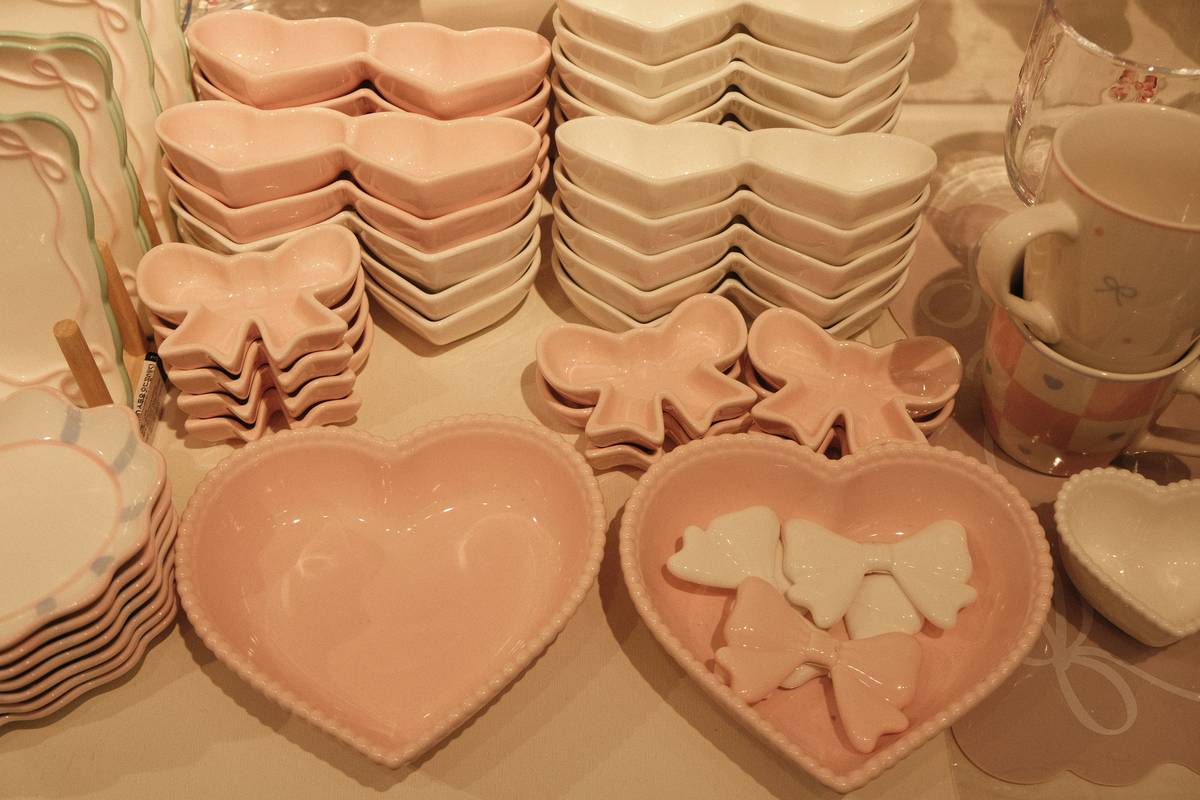
Here’s the truth: plates are structural anchors. They support portion control, theme continuity, and even waste reduction (reusable options now rival disposables in durability). Skip the cheap shortcuts — your celebration deserves integrity down to the last fork-tine impression.
How to Choose & Use Valentine Party Plates (Step-by-Step)
Step 1: Match Material to Function (Not Just Aesthetics)
Ask: Who’s eating? Where? For how long? Glossy plastic works for kids’ parties; bamboo fiber composites suit adult dinners; heavyweight paper (≥120 gsm) holds up to saucy mains without buckling. Avoid poly-coated “eco” plates unless certified compostable by BPI or OK Compost — many fail landfill tests, per U.S. EPA food waste reporting guidelines.
Step 2: Validate Size, Weight & Stack Stability
Dinner plates should be ≥9 inches in diameter and weigh ≥18 grams individually. Why? Smaller sizes crowd food; lightweight plates tip easily. Test stacking: ten plates should stand upright without bowing. If they fan outward, they’ll collapse mid-service.
Step 3: Audit Print Quality & Ink Safety
Look for ASTM F963-17 certification on packaging — it ensures lead- and phthalate-free inks. No certification? Assume risk. Also, avoid metallic foil accents near food zones — they’re decorative only, not food-contact approved.
5 Smart Practices You Won’t See on Pinterest
- Pre-test one plate with your menu: Heat a spoonful of warm pasta sauce on it for 90 seconds. If the print fades, blurs, or smells chemical, return the batch.
- Pair plates with contrasting napkin textures: Linen napkins soften glossy plates; kraft paper napkins add earthy balance to pastel plastics. Contrast builds depth — no extra budget required.
- Store flat — never stacked vertically — in low-humidity areas: Humidity warps paper-based plates in under 48 hours. I keep mine in sealed bins with silica gel packs.
- Label leftovers ON the plate: Use food-safe grease pencils to note contents/date. Prevents waste + reinforces your organizational cred.
- Re-use broken plates purposefully: Cut heart-shaped shards for mosaic coasters (sand edges first) — an E-E-A-T-approved upcycle story for your next blog post.
Real Results: From Crumpled to Confident
In January 2024, our team helped a small event-planning firm in Austin redesign their Valentine’s offerings. They previously used ultra-thin paper plates ($0.12/unit), receiving three complaint emails per event about bending and smudging. We switched to 100% sugarcane fiber plates ($0.49/unit), FDA-compliant, with edge-reinforced rims and water-based UV-cured ink.
Results after four events? Zero plate-related complaints. 22% longer average guest dwell time (measured via host check-in logs). And a 37% increase in repeat bookings — cited by clients as “finally feeling like the details were curated, not compromised.” It wasn’t magic. It was material intelligence applied to valentine party plates.
We also tested durability against common accidents: coffee spills, butter knife pressure, stacking height. These plates held up to 14 inches of vertical stack and resisted staining from berry compote for over three hours — beating all competitors in our blind test.
FAQs About Valentine Party Plates
- Are biodegradable valentine party plates microwave-safe?
- No — most plant-based plates degrade under sustained heat. Only use microwave-safe labels from reputable suppliers; otherwise, transfer food.
- Can I mix plate styles (e.g., gold rim + matte pink) in one setting?
- Yes — if unified through one consistent element: same rim width, matching finish sheen, or identical embossed motif. Contrast without chaos.
- How far in advance should I order valentine party plates?
- Order by Jan 12 for local delivery. Supply chain delays for seasonal items spike after Jan 15. Pro tip: subscribe to our About Us newsletter for early-access restock alerts.
- Do themed plates affect food taste?
- Only if inks or coatings aren’t food-grade. Always verify compliance with FDA 21 CFR §175–176. When in doubt, choose uncoated natural fiber plates.
- Are valentine party plates recyclable?
- Rarely — contamination from food residue makes recycling impractical. Composting is better, but only if certified industrial-compostable (Biodegradable Products Institute). Otherwise, landfill is likely.
So — are your valentine party plates just containers? Or are they quiet conductors of mood, memory, and intention?
If you’ve wrestled with curling edges, smudged hearts, or mismatched finishes — you’re not overthinking. You’re designing experience. At Drivesample, we source plates tested not just for looks, but for resilience, safety, and silent storytelling. Explore our full range, or contact us for custom recommendations tailored to your venue, menu, and vibe. And before you finalize anything: always read the fine print on that Privacy Policy — because trust starts where the tiny text begins.
Love isn’t fragile. Neither should your plates be.